Mnemonic Core: A Bold Cyber-Tech Display Typeface for High-Impact Branding
I opened a blank brand board on my screen, the cursor blinking in that intimidating silence that precedes every new project. The client wanted a visual identity for a boutique skincare line that felt less like a spa and more like a lab. They needed something clinical yet approachable, modern but not sterile. My eyes landed on Mnemonic Core, a Cyber-Tech Display Typeface that I had been eyeing in my library for months. It promised to be bold, futuristic, and designed for high-impact digital messaging. I dragged it onto the canvas to test a logo concept, and immediately, the mood of the entire project shifted.
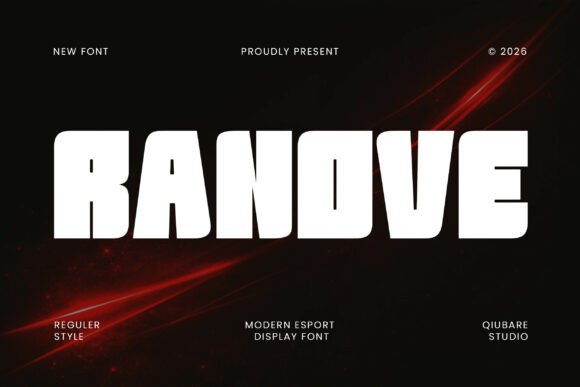
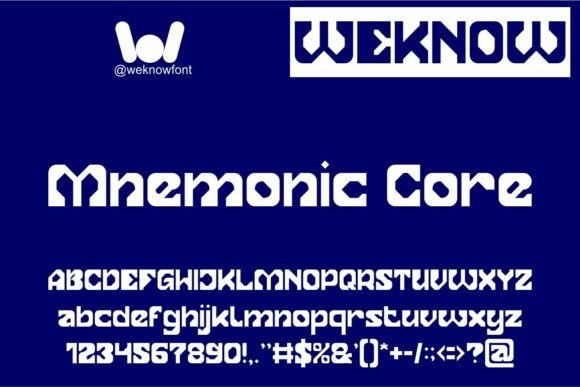
The first thing you notice about Mnemonic Core is its sheer presence. Its ultra-wide, blocky letterforms don't whisper; they announce. The sharp diagonal cuts on the characters give it a kinetic energy, as if the letters are slicing through the static of a crowded feed. When I used it for the main headline on a packaging mockup, the product jumped off the screen. It transformed a simple jar of cream into a piece of tech-forward design. This isn't just another sans serif font; it is a creative font built specifically to command attention in a world saturated with generic typefaces.
From Logo Drafts to Social Media Graphics
In my testing phase, I pushed Mnemonic Core through the usual branding gauntlet. I started with a logo draft for a fictional creative studio. Because this is a display font, it naturally excels at short phrases. I used it for the studio name, and the weight of the letters provided an instant sense of authority. However, I quickly learned that its strength lies in brevity. When I tried to stretch it out over a long tagline, the spacing became too aggressive, creating a visual rhythm that was hard to parse. That is the nature of a heavy display typeface; it demands space and respect.
Next, I moved to web design assets. Placing Mnemonic Core in the hero section of a website header created an immediate focal point. The sharp angles and futuristic aesthetic made it perfect for brands targeting a younger, tech-savvy demographic or those looking to disrupt traditional industries. It works exceptionally well as a headline font where visual hierarchy needs to be established instantly. But I also tested it on social media graphics. On an Instagram post layout, the font's unique geometry stood out against standard photography. It feels native to digital environments, which makes it a smart choice for online shop owners and content creators who need their posts to stop the scroll.
Yet, even with its strengths, there were moments where I had to step back. When I placed it on a business card mockup, I realized that while it looked cool, it might be overwhelming for contact details. For small text, body copy, or any situation requiring high readability over long periods, Mnemonic Core is not the right tool. It is best used as an accent font or a decorative element rather than a supporting typeface for paragraphs. Trying to use it for editorial design involving long-form articles would likely result in reader fatigue. The font is too stylized for sustained reading, which is why it shines brightest in logos, posters, flyers, and commercial design assets where the message is punchy and direct.
Pairing Strategies and Technical Details
One of the most critical aspects of using a font like Mnemonic Core is knowing what to pair it with. If you use it alongside another bold, geometric sans serif, the result can feel flat and monotonous. Instead, I found success pairing it with a clean, understated sans serif font for secondary information. This creates a balance between the dramatic flair of Mnemonic Core and the necessary clarity for functional text. Alternatively, introducing a subtle script font or a handwritten font for a signature or a special offer could add a human touch that contrasts beautifully with the cold, precise lines of the cyber-tech aesthetic.
For those interested in the technical specifics, Mnemonic Core offers a robust set of styles. When I explored the file, I noticed a variety of weights and potential alternates that allow for customization without losing the core identity. While specific ligatures and swashes depend on the exact version you acquire, the character set generally supports multilingual needs, which is essential for global brands. The availability of webfont formats ensures that your digital implementations remain crisp across devices. Whether you are building a brand identity from scratch or refreshing an existing one, having access to these design assets means you can maintain consistency across all touchpoints, from a storefront sign to a digital newsletter.
Practical Considerations for Your Next Project
If you are considering Mnemonic Core for a real client project, here is some practical guidance based on my experience. First, always test the font in context before committing. Don't just look at the alphabet sheet; place it on a product label, a website hero image, or a printed flyer. See how it interacts with your color palette and imagery. Does the sharp diagonal cut clash with your brand's softer elements? Or does it provide the edge you need?
It is also vital to remember the limitations. This font is not suitable for formal corporate use where tradition and subtlety are preferred. It is also not ideal for projects requiring fine print or dense blocks of text. If your project involves a bakery packaging design, for instance, you might use Mnemonic Core for the brand name to give it an industrial-chic vibe, but you would definitely pair it with a legible serif font for ingredients and instructions. The key is to let Mnemonic Core do what it does best: grab attention and set a futuristic, high-energy tone.
Finally, a crucial note on licensing. Before you integrate Mnemonic Core into your final client work, brand identity system, or any commercial product, ensure you have reviewed the commercial font licensing terms. Using a premium font in a logo design or on merchandise requires the correct license to avoid legal issues. Whether you are selling templates, working on print-on-demand products, or launching a full-scale campaign, understanding the scope of your usage rights protects both you and your client. Mnemonic Core is a powerful addition to any designer's toolkit, offering a distinct voice for those willing to embrace its bold, blocky character.